

مصنف
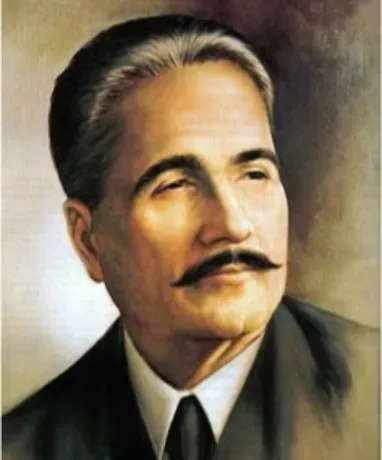
علامہ اقبال
Allama Muhammad Iqbal was born on November 9, 1877, in Sialkot, British India. He is regarded as one of the greatest poets and philosophers of the Indian subcontinent, widely known as "Shair-e-Mashriq" (Poet of the East) and "Hakeem-ul-Ummat" (Sage of the Nation). He received his early education in Sialkot and later at Government College Lahore, before pursuing higher studies in Europe, earning degrees from Cambridge, Munich, and Lincoln's Inn, London.
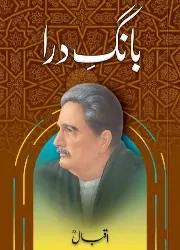
Iqbal's poetry is centered on the philosophy of "Khudi" (self-realization) and aimed at awakening self-confidence and unity among Muslims. His most celebrated works include "Bang-e-Dra," "Bal-e-Jibril," "Zarb-e-Kalim," and the Persian masnavi "Asrar-e-Khudi." In his historic Allahabad Address of 1930, he presented the idea of a separate homeland for the Muslims of the subcontinent, which later laid the ideological foundation for the creation of Pakistan. He is often referred to as the "Musawwir-e-Pakistan" (the visionary of Pakistan).
Allama Iqbal passed away on April 21, 1938, in Lahore, where his mausoleum, Mazar-e-Iqbal, stands near the Badshahi Mosque. His poetry and philosophical thought continue to hold a central place in Urdu and Persian literature.
کتابیں
اس مصنف کی کتابیں